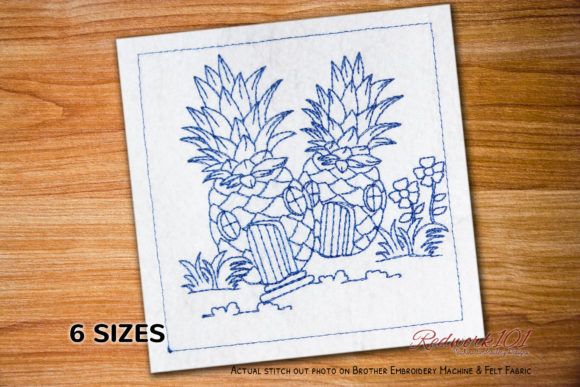
Pineapple House in Garden Redwork
Every stitch tells a story, but some designs whisper directly to a customer’s imagination. As an embroidery designer who has spent years building collections for weekend craft fairs, Etsy shops, and boutique makers, I know that the difference between a product that sits on the shelf and one that flies off the table often comes down to the emotional pull of the machine embroidery design you choose. The Pineapple House in Garden Redwork is one of those rare finds that bridges the gap between whimsical storybook charm and practical, profitable production. Let me walk you through exactly why this digital embroidery file deserves a spot in your next production run, and what you need to know before you start stitching.
First Impressions: The Magnetic Pull of Whimsical Redwork
The moment I opened the Pineapple House in Garden Redwork file, I was struck by its narrative quality. Categorized under Fairy Tales, this design absolutely leans into that narrative charm without feeling childish or overly cartoonish. The redwork technique—traditionally single-color line embroidery on a light fabric—gives it a classic, hand-sketched elegance that feels both rustic and refined. This is not a loud, modern, geometric design. It is soft, storybook, and deeply inviting.
For a craft fair product, this first impression is golden. Shoppers walking past a booth filled with bright, busy embroidery will stop cold when they see the clean, deliberate lines of redwork. It signals quality and craftsmanship. The pineapple itself is a universal symbol of welcome and hospitality, which makes the Pineapple House in Garden Redwork an instant fit for home goods. It looks like it belongs in a cozy cottage or a sunny farmhouse kitchen. That sense of place and belonging is exactly what drives sales for handmade products. Customers don’t just buy a tote bag; they buy the feeling of the lifestyle it represents.
Best Applications for Your Craft Fair Booth and Etsy Shop
Not every embroidery design translates well across different product categories. The Pineapple House in Garden Redwork, however, shows impressive versatility. Here is how I evaluate it for specific product lines:
Tote Bags and Market Bags
This is where the design truly shines. A large, centered placement on a natural canvas or cream-colored tote bag creates a high-end, boutique look. The red thread pops beautifully against neutral backgrounds, and the garden elements provide just enough detail to hold attention without overwhelming the bag’s shape. It is an excellent tote bag design for craft fairs because it encourages repeat purchases—customers often buy one for themselves and one as a gift.
Tea Towels and Kitchen Linens
Redwork has a long history in kitchen textiles, and the Pineapple House in Garden Redwork feels right at home here. The open, balanced composition of the house and garden stitches cleanly onto tea towels and aprons. Because redwork is generally less dense than filled designs, it drapes well on fabric and doesn’t create a stiff, heavy patch that feels unpleasant in hand. This is a critical factor for tea towel embroidery that will actually be used in a kitchen.
Pillow Covers and Wall Art
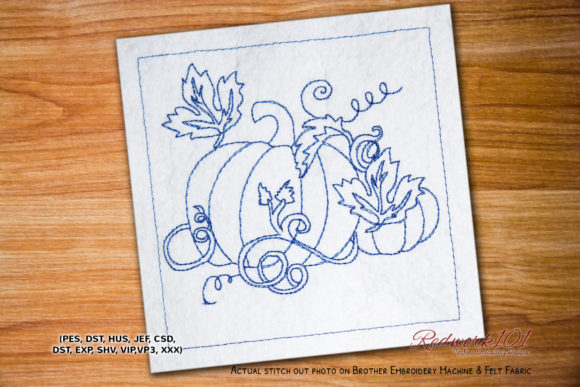
The product description notes that "The Box Stitch shown in picture is optional." This is a significant advantage for pillow covers and framed hoop art. If you choose to stitch the outer box, it acts as a framed border that contains the garden scene beautifully. If you skip it, the design breathes organically across the fabric, which works wonderfully for a more rustic, unstructured look. Either way, you have two distinct product variations from a single embroidery file.
Patches and Small Pouches
If you are targeting a lower price point at your booth, consider stitching the Pineapple House in Garden Redwork as an embroidered patch. The clear outlines of redwork make it easy to trim and finish cleanly. You can then sew it onto pouches, simple drawstring bags, or even denim jackets. This approach allows you to offer a premium look without committing to a large base product.
Heads up on Caps: Redwork linework can sometimes be tricky on curved cap surfaces. The stitches need to compress properly without distorting the house or garden proportions. I always recommend testing on a practice cap before running a batch, just to ensure the scale feels right on the curve.Production Reality Check: Density, Sizing, and Fabric Choices
Let me shift into my embroidery designer notes. Before you load this file and hit start, there are several practical considerations that will determine whether your finished product feels professional or disappointing.
Stitch Density and Sew-Out Speed
One of the major advantages of redwork is that it relies on clean, precise outlines rather than dense satin fills or intricate tatami patterns. This typically means a lower overall stitch count. For the Pineapple House in Garden Redwork, this translates into faster sew-out times and less wear on your machine. If you are producing for a craft fair, speed is money. The shorter the stitch time, the more units you can realistically produce in a week. That said, always check the actual stitch count provided with your digital embroidery file. If it is not listed, request it from the designer before purchasing.
Hoop Size and Placement Precision
This design includes a house, a garden setting, and an optional box border. Based on the complexity of the scene, I strongly suspect this file requires at least a 5x7 hoop, and a 6x10 hoop might give you a more comfortable margin. Trying to cram it into a 4x4 hoop could force the digitizer to shrink the design too much, causing the delicate garden details—fence posts, leaves, rooflines—to become muddled and unclear.
Fabric Texture and Color
Redwork is most effective on smooth, light-colored fabrics. Natural linen, cream cotton, soft pink, and sage green make the red thread sing. Be very careful with dark fabric. Unless you are using a bright neon red, the delicate lines of this design may disappear against a dark background. If you absolutely want to stitch it on a dark tote, test a sample first to confirm thread visibility and contrast.
For fabric texture, I recommend a medium-weight woven or a high-quality canvas. Loose-weave towels can cause the redwork lines to sink into the fabric gaps, making the design look uneven. Use a medium-weight tear-away stabilizer for towels, or a cut-away stabilizer for bags and garments to ensure the stitches sit cleanly on top of the fabric.
Booth Display, Photography, and Sales Strategy
Once you have a few finished products ready, your craft fair booth strategy should highlight the unique charm of the Pineapple House in Garden Redwork. Here is how I approach it:
- Create a Storybook Corner: Group your pineapple house items together on your table. Add a small wooden sign or a sprig of dried lavender to enhance the cottagecore vibe. Consistency in your booth display builds brand recognition and encourages multiple purchases.
- Photograph for Online Listings: If you are an Etsy seller, this design is a dream for photos. The red thread against a light background creates a clean, high-contrast image that thumbnails well. Use a printable mockup of the design on a tote bag to show scale in your digital listings. Shoppers need to visualize the finished product in their own hands.
- Price for Premium Perception: Because redwork has a vintage, artisanal feel, customers perceive it as high value. Do not underprice your work. A tote bag with this design can comfortably sit at a higher price point than a generic monogrammed bag. The storybook appeal justifies the premium.
- Batch Production Efficiency: Since the file is primarily linework with limited color changes, you can set up a production line. Prepare several blanks, stabilize them, and run the design in sequence. The optional box stitch means you can offer two variations at your booth without needing a separate file.
Practical Embroidery Designer Checklist Before Production
Before you commit to stitching the Pineapple House in Garden Redwork for your weekend craft fair, run through this checklist. These steps have saved me from countless production headaches over the years.
- Test on Scrap Fabric: Always, always run a test on fabric identical to your final product. Check for thread breaks, tension issues, and overall stitch quality.
- Check Thread Contrast: Step back three feet. Does the design read clearly? If it blurs into the background, adjust your thread color or fabric choice.
- Review Spacing: Ensure the house and garden elements are well-proportioned. The design should feel balanced inside the hoop.
- Confirm Hoop Size: Verify that the design fits comfortably in your largest available hoop. Do not stretch the fabric to force a tight fit.
- Inspect Stitch Density: Redwork should flow smoothly. Look for any areas where stitches overlap awkwardly or where jump stitches might need trimming.
- Use the Right Stabilizer: Match your stabilizer to your fabric weight. A flimsy tear-away on a heavy tote bag will cause puckering.
- Create a Real Mockup: Stitch out one full finished product. Photograph it in natural light for your Etsy listing and social media. A real photo always sells better than a digital render.
- Compare Fabric Colors: Natural, cream, soft blush pink, or sage green are your safest bets for redwork. Avoid dark navy, black, or deep olive unless you have tested the visibility thoroughly.
- Confirm Commercial Licensing: Since you are producing craft fair products and handmade goods for sale, double-check the commercial license terms that came with your digital embroidery file. Some designers require a extended license for mass production. Respect the creator’s terms and keep your business above board.
Final Verdict: A Design That Earns Its Place on Your Table
The Pineapple House in Garden Redwork is more than just a pretty machine embroidery design. It is a practical, sellable asset for any embroidery business owner or handmade shop operator. It taps into the ever-popular Fairy Tales and cottagecore trends without feeling faddish. It photographs cleanly for online listings, stitches out efficiently for batch production, and offers enough design versatility to work across tote bags, tea towels, pillow covers, and patches.
The optional box stitch adds a layer of flexibility that is rare in digital embroidery files. You can use it to create a formal, framed look for home decor, or omit it for a softer, flowing design on kitchen textiles. That single feature allows you to double your product line without purchasing a second file.
If you are preparing for a weekend craft fair and want a design that will stop customers in their tracks, hold their attention, and make them feel something, this is a strong contender. Just remember to test your fabric, check your hoop size, and keep your stabilizer game tight. Done right, the Pineapple House in Garden Redwork will not only sell itself—it will build a loyal customer base that keeps coming back for your storybook creations.