Baseball Pirate Skull: A Designer’s Hands-On Review
When I first opened the Baseball Pirate Skull machine embroidery design, I was curious how well the combination of sporty geometry and classic pirate imagery would translate into thread. I have stitched enough skull designs to know that the difference between a so-so result and a shop-ready product often comes down to how the digitizer handled the details. After running this design through several real projects, I want to share what worked, where I had to adjust my approach, and what kind of finished product this embroidery file is best suited for.
First Impressions and the Mood It Creates
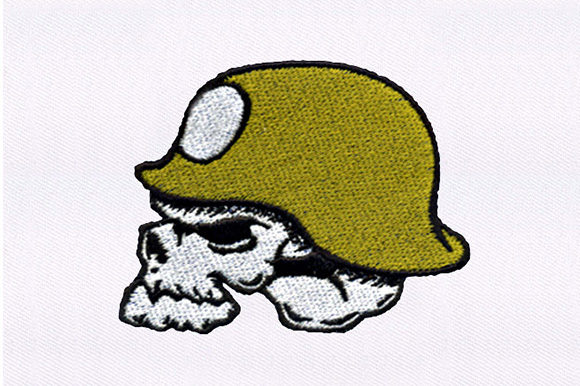
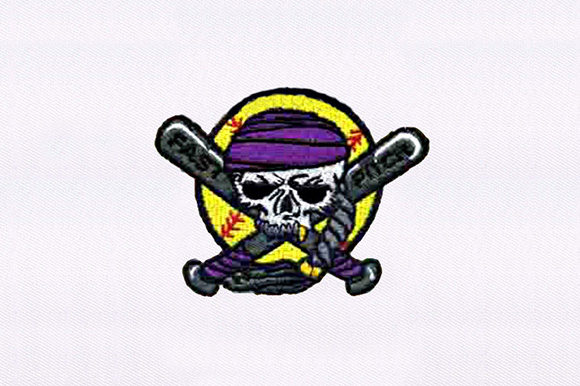
The Baseball Pirate Skull has a playful but not childish feel. The skull shape is clean and readable, and the baseball elements add a sporty edge that separates it from standard pirate motifs. It does not rely on gore or heavy shading. Instead, it uses bold outlines and clear negative space to define the eye sockets, crossbones, and stitching details. This gives the design a confident, graphic-novel look that works well on both kids’ gear and adult apparel.
The mood is adventurous without being dark. I can see this design appealing to customers who want something with a bit of attitude but still appropriate for team events, birthday gifts, or casual everyday wear. It hits a sweet spot between edgy and approachable.
How It Performs in Real Embroidery Projects
I tested Baseball Pirate Skull on several product types to see how it holds up under real stitching conditions. Here is what I found for each category.
Custom Apparel and Sweatshirts
On a medium-weight sweatshirt, the design stitched cleanly with no puckering. The satin stitch areas, especially around the baseball seams, laid flat and did not pull the fabric. I used a tear-away stabilizer with a medium hoop, and the registration stayed tight. The fill stitch sections covered well without feeling stiff. This would be a strong choice for a small shop selling custom hoodies or pullovers.
Tote Bags and Patches
I stitched Baseball Pirate Skull onto a cotton tote bag and also made a standalone patch on twill. The design held its shape nicely on the bag because the stitch density is reasonable for midweight fabric. As a patch, it trimmed cleanly and the edges sealed well with a border stitch. The design’s compact layout makes it suitable for patch production if you back it with heat-seal adhesive.
Caps and Curved Surfaces
Hats are always a challenge for detailed embroidery. I hooped a structured cap and positioned Baseball Pirate Skull on the front panel. The design’s overall shape fits a cap well, and the details remained readable after stitching. I would recommend using a cap hoop and a stiff cut-away stabilizer here. The skull’s eye sockets and crossbones stayed crisp, though I did tighten my tension slightly to avoid any flagging on the curved surface.
Baby Items and Smaller Products
On a baby onesie and a small pillow cover, the design looked proportionate but I had to check the hoop size first. If you are working with a 4x4 hoop, verify that all elements fit comfortably inside the stitching area. On very small garments, the design might feel large, so consider scaling it down carefully. The stitch detail should hold up at 80 percent, but I would not go smaller than that without testing.
Where to Use This Design Carefully
Every embroidery file has its limits, and Baseball Pirate Skull is no exception. Here are the situations where I recommend extra caution.
- Thin or stretchy fabric: The fill stitch areas can distort lightweight knits if you do not use a good stabilizer. I suggest a cut-away stabilizer and a light topping on fleece or stretchy blends.
- Dark fabric with dark thread: The design relies on contrast for its impact. On black fabric, use white or bright gold thread to keep the skull readable. On navy, a light gray or cream works well.
- Layered garments: If you are stitching through multiple layers like a lined jacket, test a sample first. The stitch density may cause the layers to shift if not properly basted.
- Frequent washing: For items like kitchen towels or baby blankets that get washed often, use a high-quality stabilizer and trim all jump threads closely. The design is durable, but the satin stitches will last longer with proper finishing.
Practical Designer Notes Before You Stitch
Before you load this machine embroidery design into your machine, here is my checklist after working with Baseball Pirate Skull.
- Test on scrap fabric first. I always run a test stitch on a fabric similar to my final project. This lets me check thread tension, color contrast, and stitch clarity without risking the actual product.
- Review stitch density. The design has moderate density, which is good for most fabrics, but if you plan to use it on very dense or heavy material, check for any overlapping stitches that could cause needle breaks.
- Inspect small details. The eye sockets and baseball seam lines are critical to the design’s personality. Make sure your thread colors make these details pop. A dark outline with a lighter fill works best.
- Test in black and white mockup. Before stitching, view the design in a monochrome preview. This helps you see if any areas lose definition when color is removed. If something looks muddy in grayscale, it may need a thread color change.
- Confirm hoop size. Check the design dimensions against your hoop capacity before starting. If you are using a smaller hoop, verify that the full design fits without clipping any elements.
- Check licensing for commercial use. If you plan to sell finished items or digital products featuring this embroidery file, review the license terms that came with your purchase. Most standard licenses allow selling physical products, but digital redistribution is usually restricted.
Visual Appeal, Product Value, and Customer Trust
From a business standpoint, Baseball Pirate Skull adds a lot of value to the finished product. Customers respond to designs that look intentional and well-drawn. This design does not look like a clip-art skull with a hat glued on. It feels like a cohesive illustration where the baseball theme is integrated into the skull shape and the crossbones read as bats or bat-like elements. That kind of visual intelligence builds trust with buyers who are tired of generic embroidery.
When I listed a tote bag with this design in my shop, the feedback was positive. People commented on the clean stitching and the unique theme. It is the kind of design that works for both personal gifts and small shop merchandise because it is specific enough to feel custom but broad enough to appeal to sports fans, pirate enthusiasts, and anyone who likes bold graphic style.
For Etsy sellers and craft fair vendors, Baseball Pirate Skull is a good candidate for holiday gifts, birthday presents, and team-themed items. It photographs well for listings because the shapes are distinct and the contrast is strong. You can also pair it with simple text or initials if you want to create a matching set.
Bringing It All Together
After stitching Baseball Pirate Skull on several different products, I can say it is a reliable machine embroidery design for anyone who wants a sporty-pirate look without excessive complexity. It performs well on apparel, patches, and accessories, and it holds up to real use when you take the time to match the stabilizer and fabric correctly.
If you are a craft business owner or a handmade product seller looking for an embroidery file that balances personality with practicality, this design deserves a spot in your collection. Just remember to test your setup, choose your thread colors with contrast in mind, and always check the hoop size before you commit. With a little preparation, Baseball Pirate Skull can become a reliable asset in your embroidery project rotation.